Mediation and rhetorical theory
Meaning, form, and time
How relations become significant, how arrangements stabilize, and how earlier encounters remain active in what follows.
Follow this constellationMeaning / form / relation
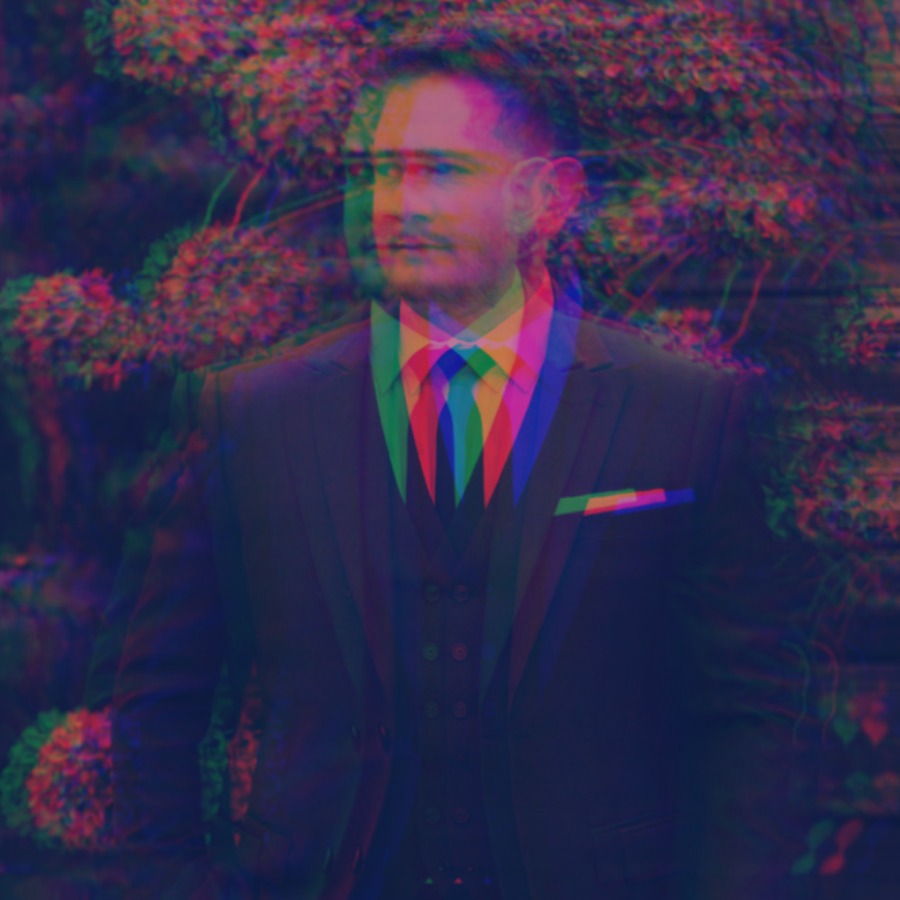
I study how meaning emerges through relations, and how their arrangement shapes what can be perceived, interpreted, and become possible. My work moves between rhetorical theory, sound, critical making, technology, and trans public life.
Three connected constellations
Three connected areas ask how encounters become significant, how their conditions take form, and whose possibilities those forms enable or constrain.
Mediation and rhetorical theory
How relations become significant, how arrangements stabilize, and how earlier encounters remain active in what follows.
Follow this constellationPredictive systems and platforms
How AI, classification, recommendation, and risk systems arrange rhetorical situations before people encounter them.
Open the flagship projectTrans publics and community knowledge
How media frames, institutions, and community practices shape who is recognized, whose accounts matter, and what trans life can become.
Enter the community practiceMethods across the work: rhetorical criticism, trans studies, critical technology studies, visual and sensory analysis, platform critique, public scholarship, critical making, glitch, and unfinished form.
Begin with the work
Rhetorical theory, critical technology studies, and trans studies meet around systems that classify and persuade in advance.
Open project Critical making / interactive sound instrumentCan prior meanings of a place persist while new meanings emerge through sound? Explore the encounter through Ambient Atlas.
Open Ambient Atlas Research report / publicA comparative study of platform promises, moderation practices, and the conditions of trans digital safety.
Open report Public scholarship / publicAn appeal for trans voices, ethical reporting, and an end to framing trans people as politically expendable.
Read letterMeaning emerges through relation.
Form arranges what can happen next.
Each encounter carries a history.
These are working propositions, not settled answers.
When does a difference become significant? For whom, or for what?
How do earlier relations shape a new encounter?
And how does an arrangement come to seem inevitable?
My inquiry begins with two working definitions. Meaning is the significance that emerges through relation. Form is the provisional arrangement of relations through which subsequent relations are enabled, constrained, and transformed.
I use form to name more than outward appearance. A rhythm, interface, classification, institution, or shared vocabulary can organize an encounter. Relations repeat, accumulate, and sometimes stabilize into arrangements that shape what can happen next. Later encounters may sustain, alter, or undo those arrangements.
Relation alone does not settle the question of meaning. I ask what distinguishes a causal change from something becoming significant, and how relations shape who or what can become a subject. Participants need not have equal agency, authority, or power to interpret an encounter.
Time matters here. Earlier meanings can remain active through memory, material traces, narrative, and repeated practices. New meanings may coexist with them, reinforce them, or come into conflict. I am interested in how these histories remain consequential without making the next encounter wholly predictable.
Critical making gives these questions a material form. Ambient Atlas brings environmental data, compositional choices, place, and listening into relation. These are selective arrangements for inquiry, not demonstrations that the theory is already true.
Across AI, platforms, institutions, and trans public life, I ask whose interpretations gain authority and whose possibilities are constrained. A form can be provisional and still have lasting or irreversible consequences. Glitch and unfinished form interest me as methods for examining those conditions; disruption alone does not establish political resistance.
My methods include rhetorical criticism, theoretical analysis, critical making, visual and sensory analysis, platform critique, and public scholarship. I work with sounds, images, interfaces, documents, archives, and public narratives to ask how significance emerges and how its conditions might change.
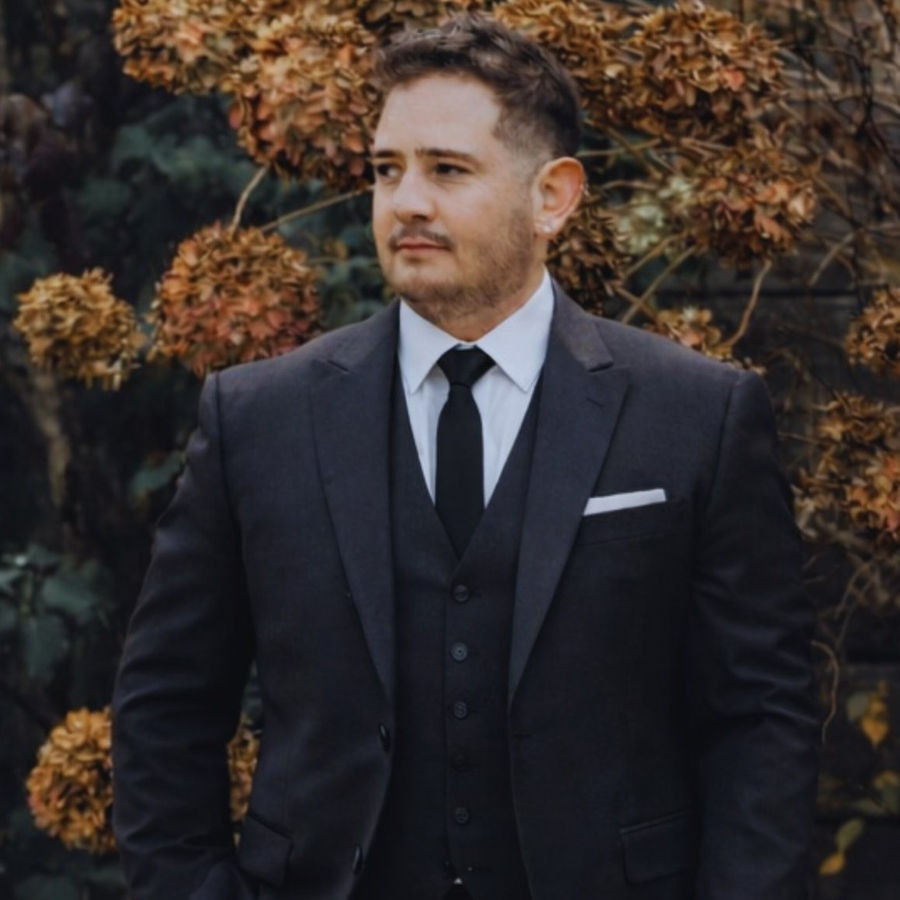
I am a PhD student at Clemson University working on meaning, form, and relation. I ask how encounters become significant, how their arrangements condition what follows, and how earlier relations remain active in the present. My research connects these questions to rhetoric, technology, sound, and trans public life.
With a BA in Urban Studies from San Diego State University and an MBA from The Pennsylvania State University, I bring more than 26 years of management experience and a professional background in the technology industry to my research.
I am also a co-founder of Trans Joy, a nonprofit organization centered on amplifying trans joy, care, and community knowledge through media and public storytelling.
Writing, sound, interactive experiments, and community practice offer different ways to investigate how meaning emerges and how form conditions an encounter.
This is a protected project space for the General Information Record instrument and related research materials.
Access opens through a password gate before the instrument loads.
Open protected project...For questions, collaborations, speaking, media, or research conversation, email me directly.